

 HELP
HELP SIGN IN
 CART
CART
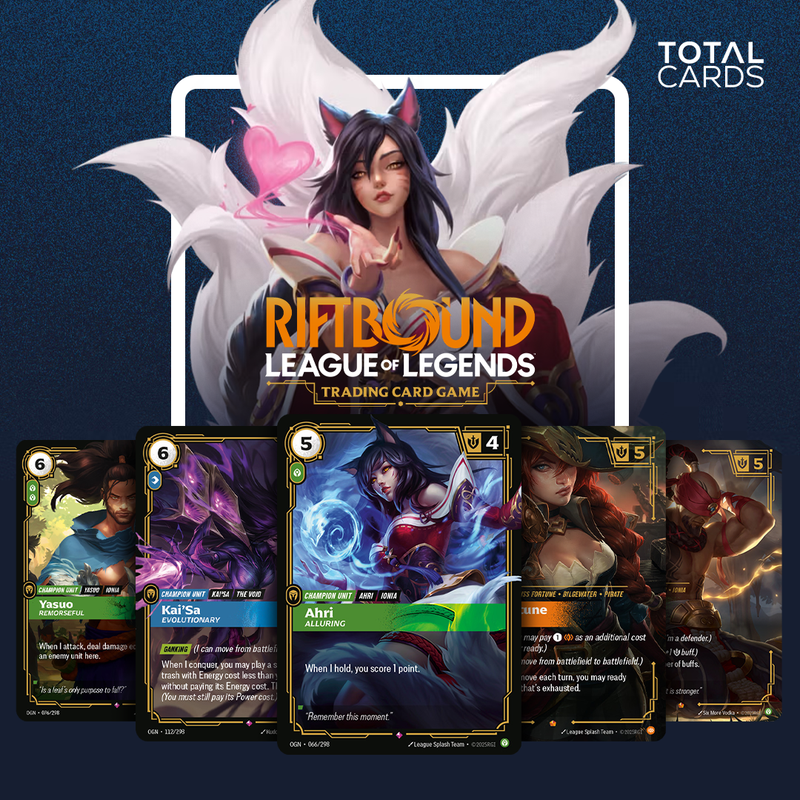
For many players, the thrill of Riftbound is found in the perfect combo or the lethal top-deck. But for the "Vorthos" players among us, those who live for the story, the game is a gateway into a fractured universe of cosmic tragedy and ancient magic.
Today, we’re stepping away from the meta-game to explore the Flavor & Lore that makes every card a window into another world.
Geography of the Shattered Realms: Reading the Art
If you look closely at the background of your favorite cards, you aren't just seeing "Fire" or "Earth" landscapes; you’re seeing the remnants of the Great Sundering.
-
The Spires of Cinder (Fire Faction): Look at the card Magma Core. Notice the jagged, floating basalt pillars? These aren't natural. The Fire factions live in a vertical civilization. Because the ground is literally melting into the Rift, the Flame-Callers have tethered their cities to the sky.
-
The Abyssal Shelf (Water Faction): In the art for Tidal Guardian, you can see ruins of a sunken marble city. This confirms a long-standing fan theory: the Tide-Binders aren't originally from the ocean. They are the descendants of a terrestrial empire that chose to sink their world rather than let the Rift consume it.
The backgrounds tell a story of survival. Every faction is clinging to a different "shelf" of reality, fighting for the Aether that keeps their fragment from falling into the void.
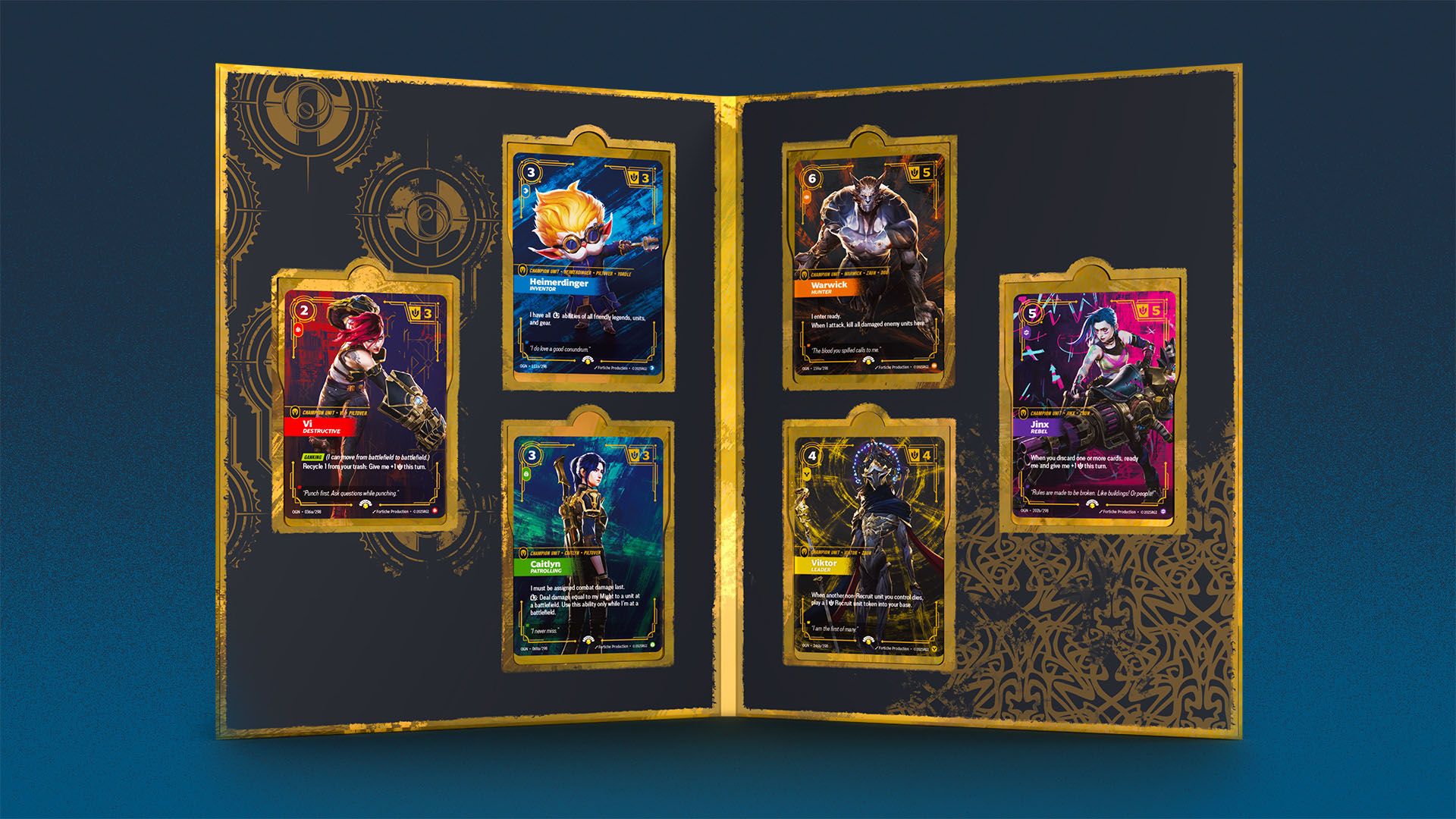
Hero Spotlight: An Audience with Kaelen the Unbroken
We sat down (metaphorically) with the legendary Stone-Shaper hero, Kaelen, to understand his motivations in the Great Rift.
Interviewer: Kaelen, many see the Stone-Shapers as isolationists. Why have you finally joined the front lines?
Kaelen: "The mountains do not move because they wish to fight; they move because the wind has become a hurricane. For eons, we stood silent. But the Rift is not just a hole in the sky, it is a mouth. If I do not stand as the shield for the Shattered Realms, there will be no stone left for my people to call home."
Takeaway: Kaelen’s "Defender" keyword isn't just a mechanic; it’s his entire philosophy. He doesn't attack because he hates the enemy; he protects because he loves the world.
From Sketch to Holographic: The Evolution of "Vortex Dragon"
Ever wonder how a card gets its soul? We’re pulling back the curtain on the Visual Evolution of the iconic Vortex Dragon.
-
The Concept (The "Why"): The design team wanted a unit that felt like it was made of the Rift itself. Early notes described it as "a storm given scales."
-
The Initial Sketch: The first drawings by Lead Artist Elena Rossi showed a traditional dragon. It was rejected. "Too grounded," she said.
-
The Iteration: The second pass removed the wings, replacing them with swirling eddies of Aether. This changed the gameplay, too, the unit was given "Hover" instead of "Flight."
-
The Final Render: The colors were shifted to a deep indigo and neon violet to represent the "Raw Aether" of the Rift.
-
The Foil Treatment: If you’re lucky enough to pull a Holographic Vortex Dragon, notice the "Constellation Pattern" on the scales. That pattern actually maps out the star-charts of the Realms before they were shattered.
The Glow
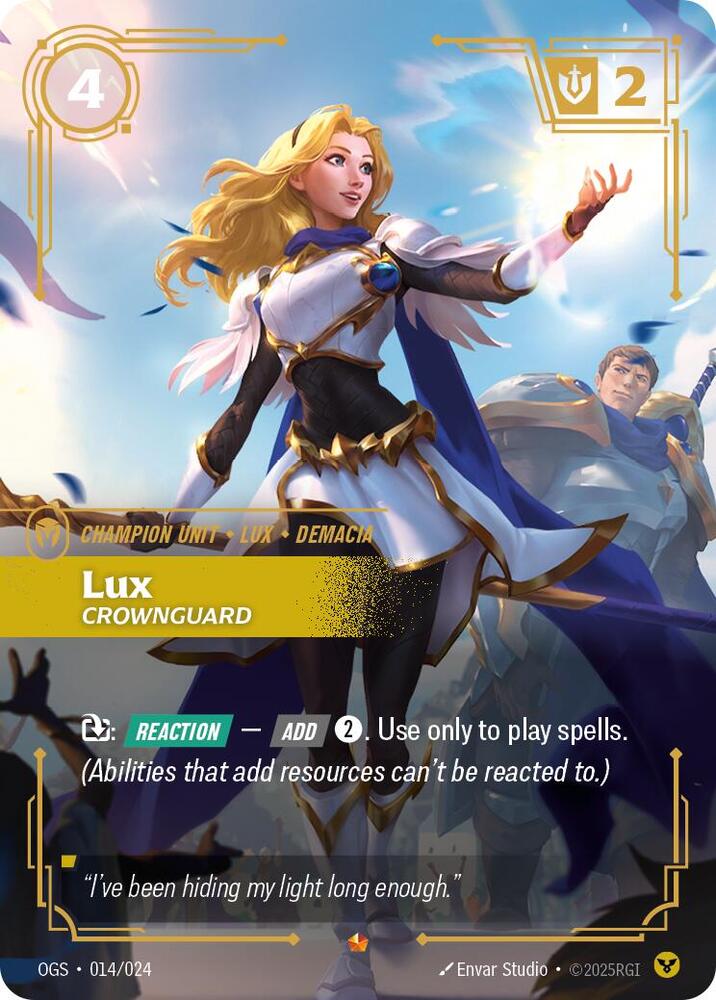
The artistic direction of the Shattered Realms has successfully transitioned from generic fantasy to a unique "Cosmic Post-Apocalypse" aesthetic that rewards players for paying attention to the small details in the frame.
The Grow
While the visual storytelling is top-tier, the community is eager for more "Flavor Text" on the cards themselves, as the current layout often sacrifices lore snippets for larger ability text boxes.
Pro Tip: Always check the horizon line in a card’s background; if you see the violet "Rift-Mist" creeping in, that unit likely has a hidden synergy with Abyssal-type spells!
What's your favorite piece of Riftbound flavor text? Share it in the comments!


