

 HELP
HELP SIGN IN
 CART
CART
Trading Pokémon cards isn’t just about swapping collectibles, it’s about community. It’s how fans connect, show off their pulls, and complete their dream decks. But as Pokémon continues to grow in popularity, counterfeit cards and risky trades have become a growing issue.
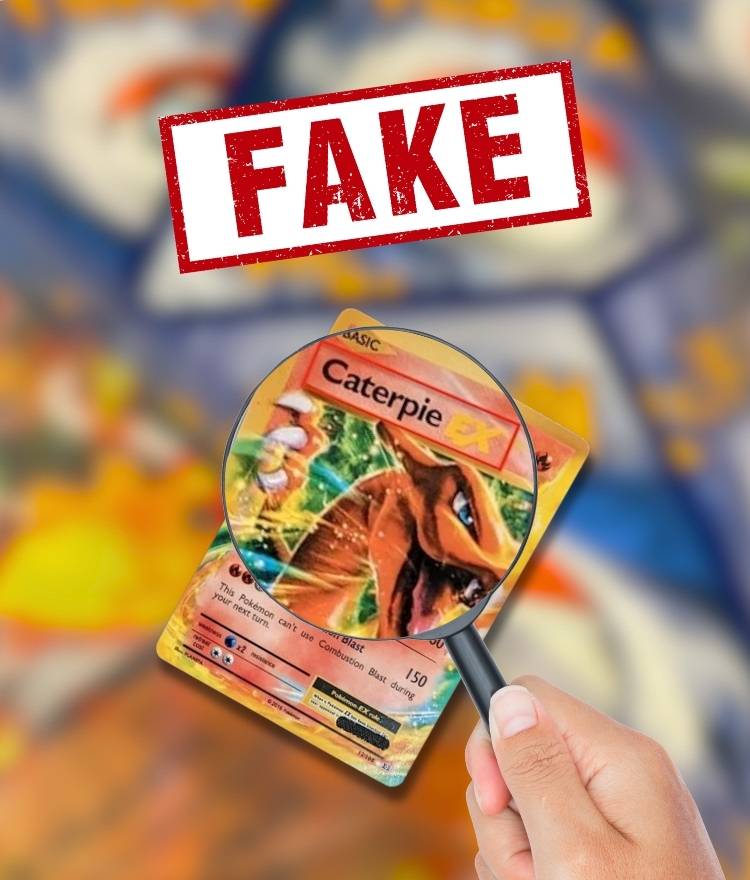
Whether you’re meeting up at local tournaments or trading online, learning how to protect your collection is crucial. This guide breaks down how to trade safely, spot fake cards, and keep your collection secure while enjoying every moment of your Pokémon journey.

Why Safe Trading Matters
Pokémon cards hold emotional and monetary value and both are worth protecting. A single trade can make or break your deck, especially when it involves rare cards like Mew ex or limited-edition promos.
Unfortunately, counterfeiters have gotten smarter. From glossy print fakes to resold repackaged cards, the difference between a genuine collectible and a scam can be subtle. That’s why safe trading isn’t just smart, it’s essential.
At Cooledtured, our goal is to make collecting and trading fun again by promoting trusted sources and keeping fans informed.
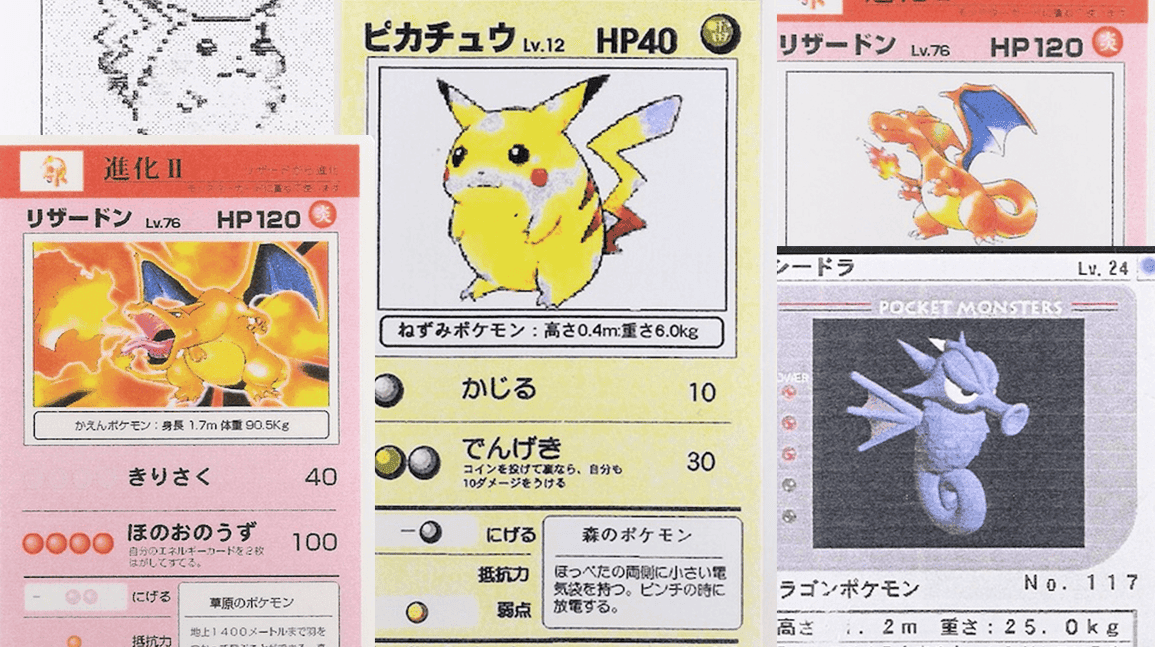
3 Tips for Safe Trading
1. Trade in Trusted Spaces
Always trade in places that have structure and oversight. Card shops, official Pokémon events, and trusted online marketplaces (like TCGPlayer or eBay Verified Sellers) are your safest bet.
If you’re part of an online Discord or social group, check moderators, trade logs, and member feedback before dealing. Reputable communities track successful trades and flag suspicious accounts.
💡 Cooledtured Tip: If you’re new to trading, start small swap lower-value cards first until you feel confident in the process.
2. Know Card Values Before Trading
Before agreeing to a trade, take a minute to research the cards involved. Look up the most recent market value, condition rating, and print edition. Sites like PokémonPrice.com or TCGPlayer are great for tracking real-time trends.
Keep in mind that condition affects value. A Lightly Played card might go for 20–30% less than a Near Mint one.
📈 Bonus Tip: Track your trades and card values over time. It helps you see trends, avoid overpaying, and recognize when a trade truly benefits your collection.
3. Document and Confirm
Transparency is everything in trading. If you’re trading online, agree to tracking numbers, video proof of packaging, and clear pictures of both cards.
In-person, make sure both traders inspect the cards front and back checking corners, centering, and surface scratches. Use sleeves and top-loaders during the exchange to prevent damage.
🎴 Rule of thumb: Never hand over your card first unless you fully trust the other party or there’s a moderator present.
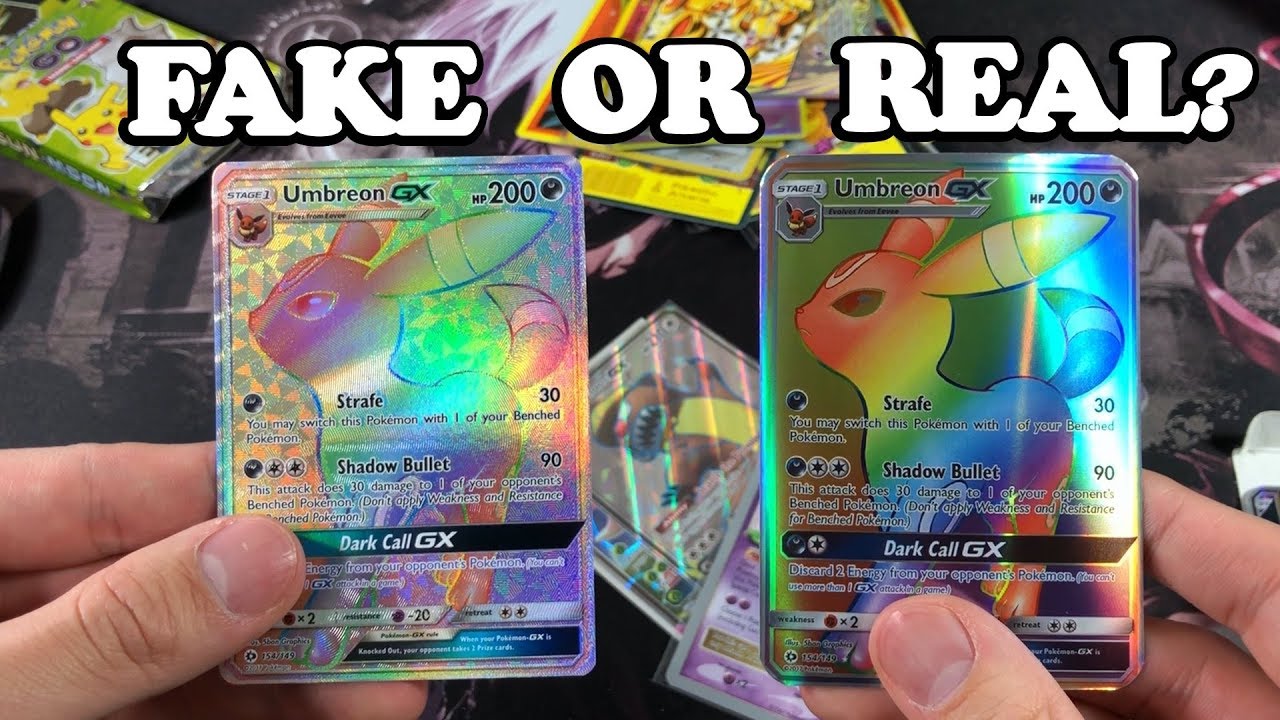
🔍 How to Check if a Card is Fake
Fake Pokémon cards have improved over the years, but they’re still easy to identify if you know what to look for. Here’s your quick checklist to verify authenticity:
1. Feel the Texture
Official Pokémon cards have a subtle linen-like texture and bend slightly without creasing. Fakes are often too glossy, smooth, or rigid.
2. Check the Borders
Real cards have consistent borders with even yellow or gray tones. If the card’s edges are misaligned or too thick, it’s likely a fake.
3. The Light Test
Hold your card under a bright light. Genuine Pokémon cards have a thin black or blue layer between the front and back, visible when you hold it up. Counterfeits are usually missing this core.
4. Fonts, Colors, and Energy Symbols
Counterfeits often use off-color inks or incorrect font spacing. Energy symbols and numbers may look “off” compared to genuine cards.
5. Holo and Reverse-Holo Patterns
Authentic holofoil cards reflect light cleanly and evenly. Fake holo cards often appear cloudy, pixelated, or too shiny.

Where to Find Authentic Pokémon Cards
Skip the risk and start your journey with verified Pokémon products. Cooledtured only sources from official distributors to ensure authentic cards, fair pricing, and safe collecting.
Explore genuine Pokémon bundles, booster packs, and displays at
➡️ https://cooledtured.com/products
You can also check out the Journey Together Booster Bundle, a great start for collectors looking to build safely:
https://cooledtured.com/journey-together-booster-bundle

🌟 Grow & Glow
Grow your trading knowledge by protecting your investments and connecting with trustworthy collectors. Glow knowing your cards and your collection are genuine, valued, and safe in your hands.
Every great Pokémon journey starts with trust in your deck, your trade partners, and your passion. Keep collecting smart, play fair, and always trade with confidence.
Bonus: Protecting Your Cards Long-Term
Once you’ve confirmed your cards are real, make sure they stay in top condition. Store them in acid-free sleeves, top-loaders, or binder pages to prevent damage. Avoid humidity and direct sunlight, which can warp or fade the artwork.
💬 Pro Tip: If your card is especially valuable, consider grading it through PSA or CGC. Not only does it authenticate your card, but it also increases its value for collectors and resale.
Start your safe trading journey today at ➤ https://cooledtured.com


